4 Sustainable Acoustic Materials for Better Sound Absorption
A comprehensive comparison of four groundbreaking sustainable acoustic materials: PET felt, mycelium, cotton and wood wool. Discover their acoustic performance, durability qualities, health benefits and practical applications so you can make informed material choices for your next project.
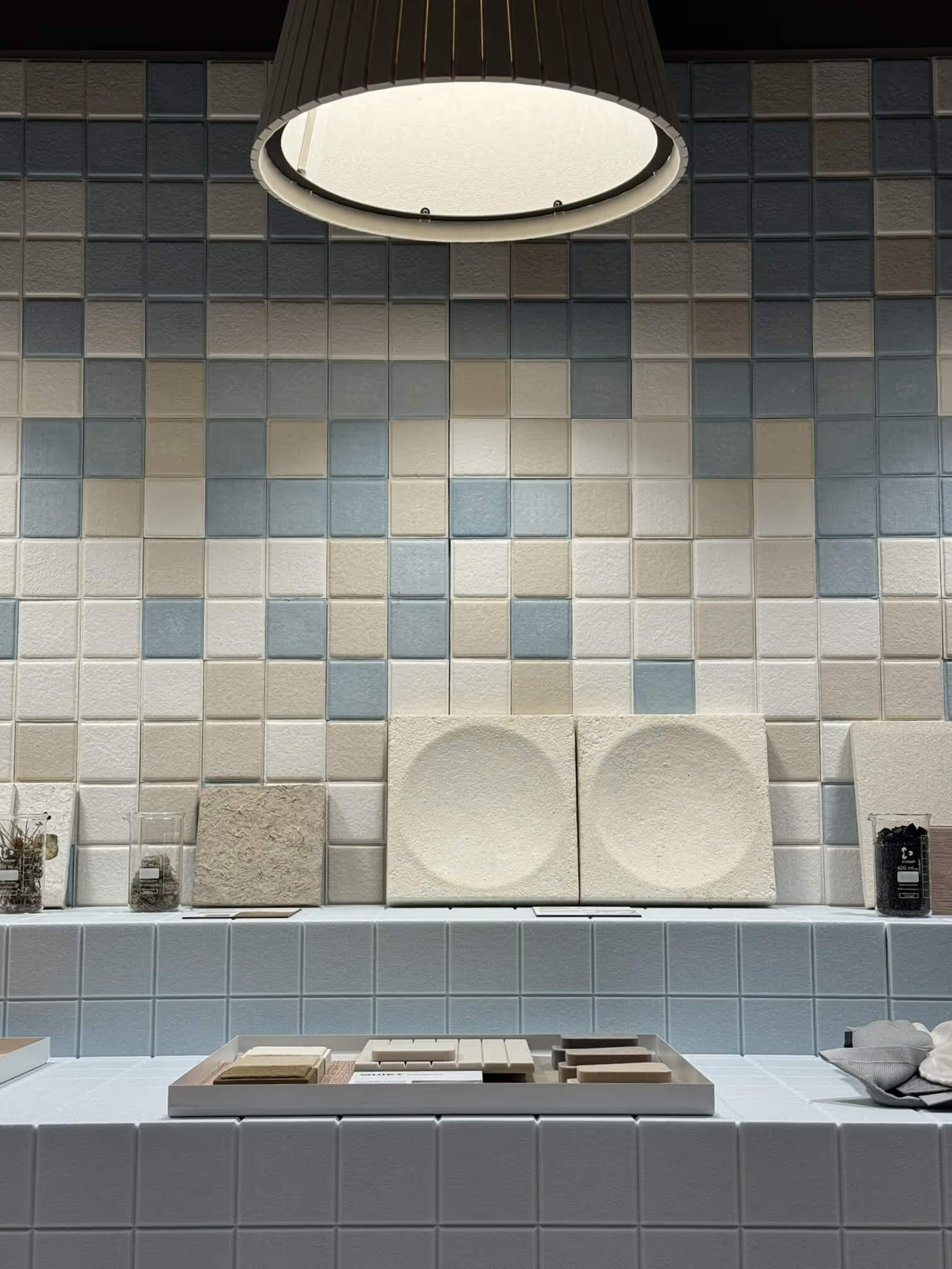
The choices we make when it comes to acoustic design have far more impact than sound quality alone. Each panel we specify, each material we select, carries a legacy of extracted or reused resources. From production processes that burden or benefit our planet, from employees and communities involved in the supply chain. At a time when buildings are responsible for nearly 40% of global CO2 emissions, the question isn't just “how can we make spaces sound better?” , but also “how can we make them sound better while leaving the world better than we found it?”
This article highlights four groundbreaking, sustainable materials: PET felt, mycelium, cotton and wood wool. Each material represents a different approach to sustainable acoustic design and has unique properties, performance characteristics and environmental histories.
Why choose sustainable acoustic materials?
For decades, the acoustic industry relied on a simple formula: petroleum-based foam and resource-intensive production. They delivered performance, and that was sufficient. But the concept of “sufficient” has evolved.
The construction sector is facing major challenges: buildings are responsible for nearly 40% of global CO2 emissions. Traditional acoustic materials contribute to this through their dependence on new plastics, their significant environmental footprint in production, and their linear life cycle that ends in landfills. Sustainable acoustic materials offer a concrete answer: they convert waste streams into valuable products, store CO2 instead of emitting it, and create circular systems in which materials return to production instead of ending up as waste.
The impact goes beyond just environmental measurements. Poor acoustics contribute to stress, decreased cognitive performance and even cardiovascular strain. When we choose sustainable materials that improve acoustic comfort, we invest in both the planet health as a team human well-being. This often leads to better indoor air quality, healthier workplaces and a connection with natural materials. According to research, this provides psychological benefits.
These choices accumulate over time. A single project may seem modest, but multiplied over thousands of buildings and decades of use, these decisions combine to reshape industries. The materials discussed in this article prove that sustainability and performance are not competing priorities, but complementary goals: acoustic design that benefits both people and the planet, today and for generations to come.
1 - Mycelium: nature's acoustic innovation
What is mycelium?
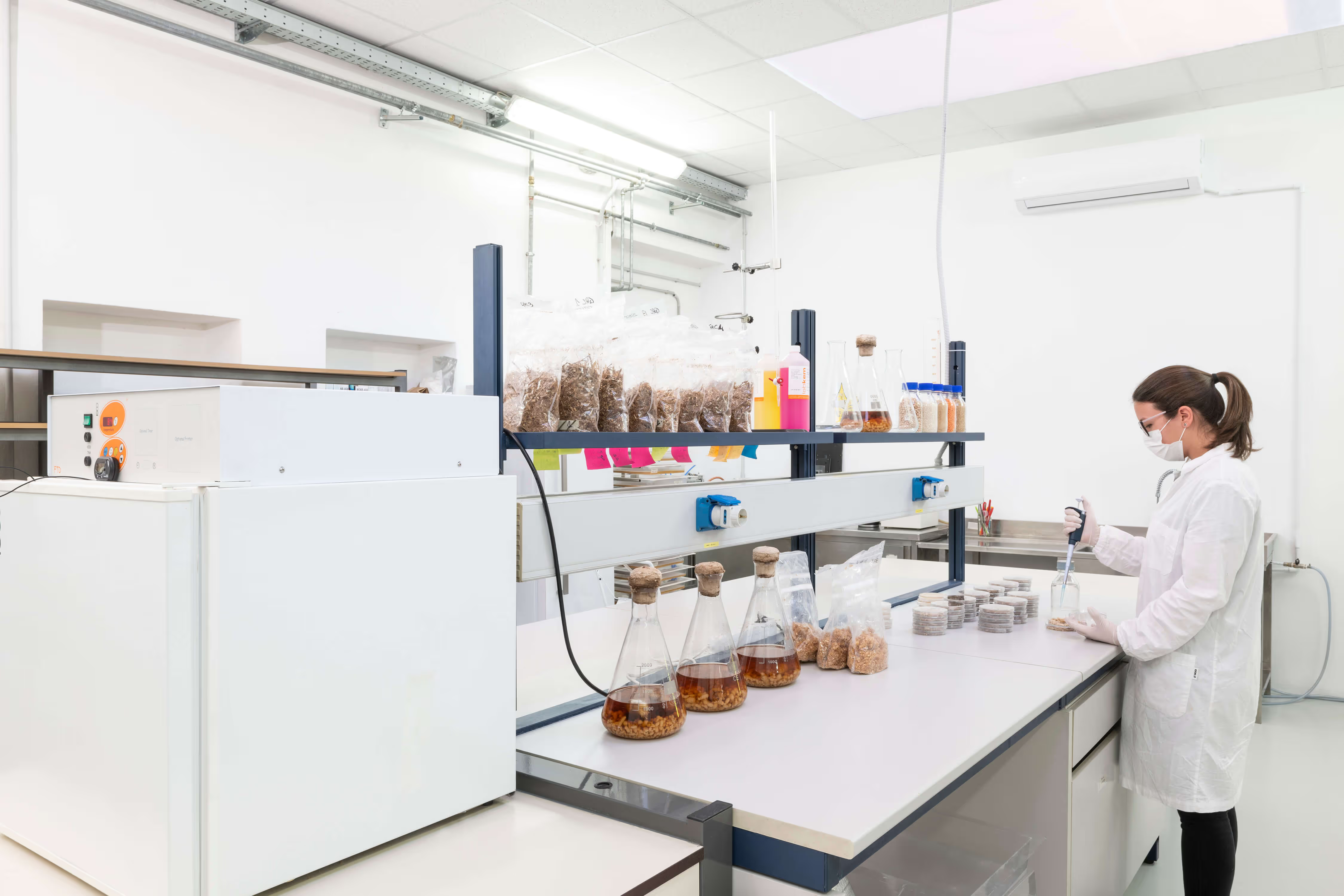
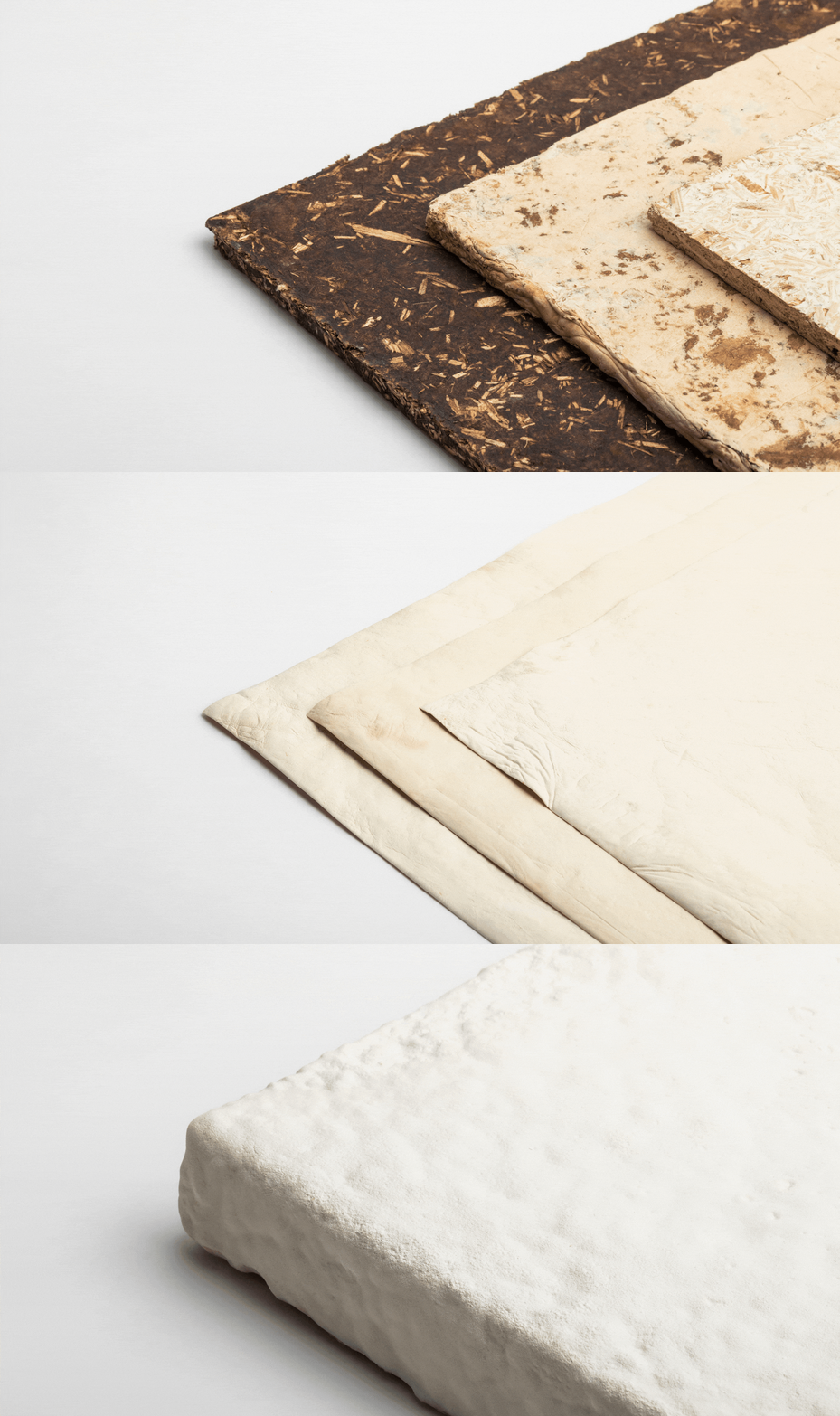
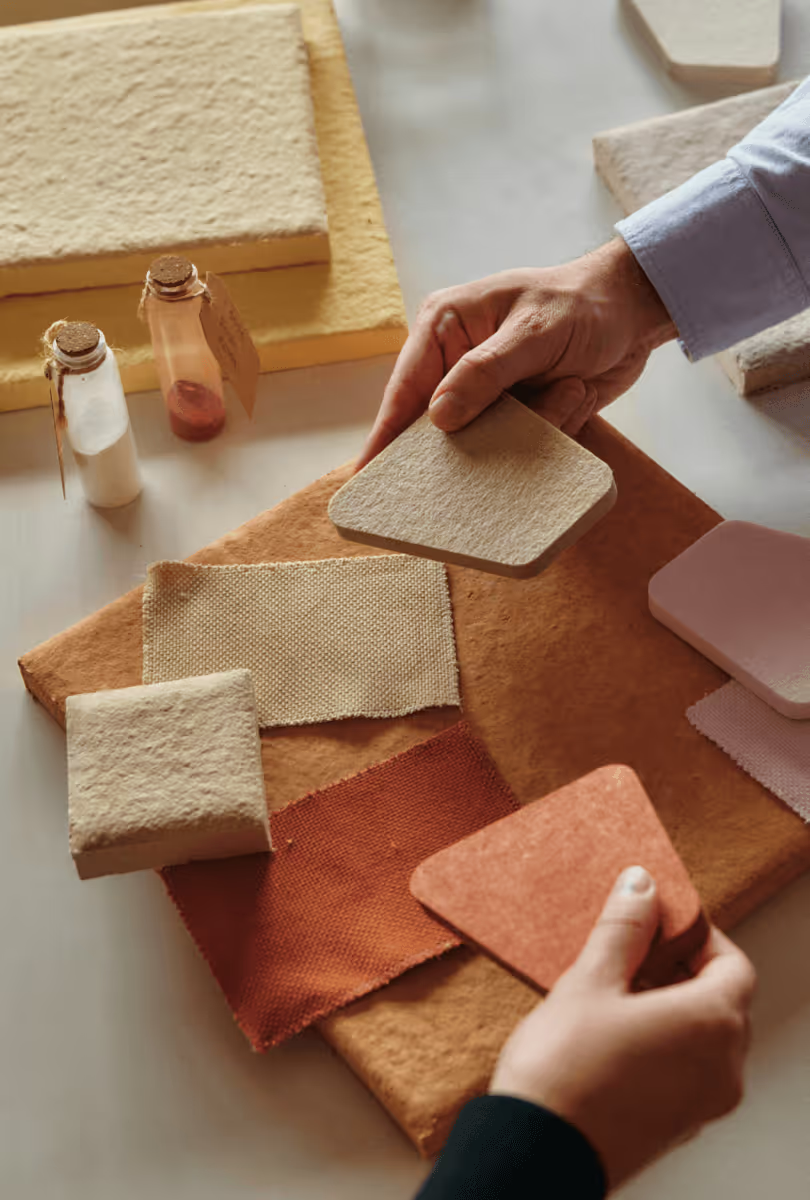
Mycelium (the root-like structure of fungi) is one of the most promising developments in the field of sustainable building materials. This biobased material is grown on low-grade agricultural waste such as cotton waste, hemp shanks and textile waste, converting materials that would otherwise be discarded into high-quality sound absorbing panels.
The production process includes controlled cultivation where mycelium colonizes the substrate and naturally binds organic fibers together. After approximately 7-14 days of growth, the material is dried to stop further development, creating a stable, safe and durable product.
Acoustic properties
Mycelium panels absorb sound through two properties:
- The porous structure converts sound waves into micro-movements and heat.
- 3D shaped surfaces break down and disperse sound reflections.
The material excels particularly in the mid-frequency range (250-1000 Hz), making it ideal for absorbing voice sound in restaurants, lounges and office environments. Typical NRC values range from 0.39 to 0.53 depending on panel design, with some configurations achieving an acoustic absorption of 70— 75% at frequencies of 1500 Hz or less.
Sustainability references
Mycelium's environmental profile is extraordinary:
- 100% biodegradable and circular.
- Grown on upcycled textile waste and agricultural waste.
- Plastic-free and without petroleum-based binders.
- Energy efficient biomanufacturing process.
- Carbon sequestration during growth.
- Indoor Air Comfort Gold Certification.
Fire safety and health
The natural composition of mycelium provides inherent fire resistance:
- Naturally flame retardant: the biological structure of mycelium naturally slows the spread of flame and forms protective charged layers.
- Burns very slowly, even without chemical treatment, thanks to its dense, fibrous composition.
- EN 13501-1 Class B-s2-d0: achieved with environmentally friendly treatment (equivalent to Italian Class 1), suitable for public areas.
- Natural variants: D-s2-d0 to D-s2-d4, depending on finish
- No release of toxic resins: unlike synthetic materials, mycelium does not release toxic substances when exposed to fire.
- Indoor Air Comfort GOLD®: certified for extremely low VOC emissions and allergen tests
- Complies with French VOC regulations, AgBB/ABG, Belgian regulations, Blue Angel, BREEAM and LEED v4 standards.
Featured product: Mogu mycelium acoustic panels
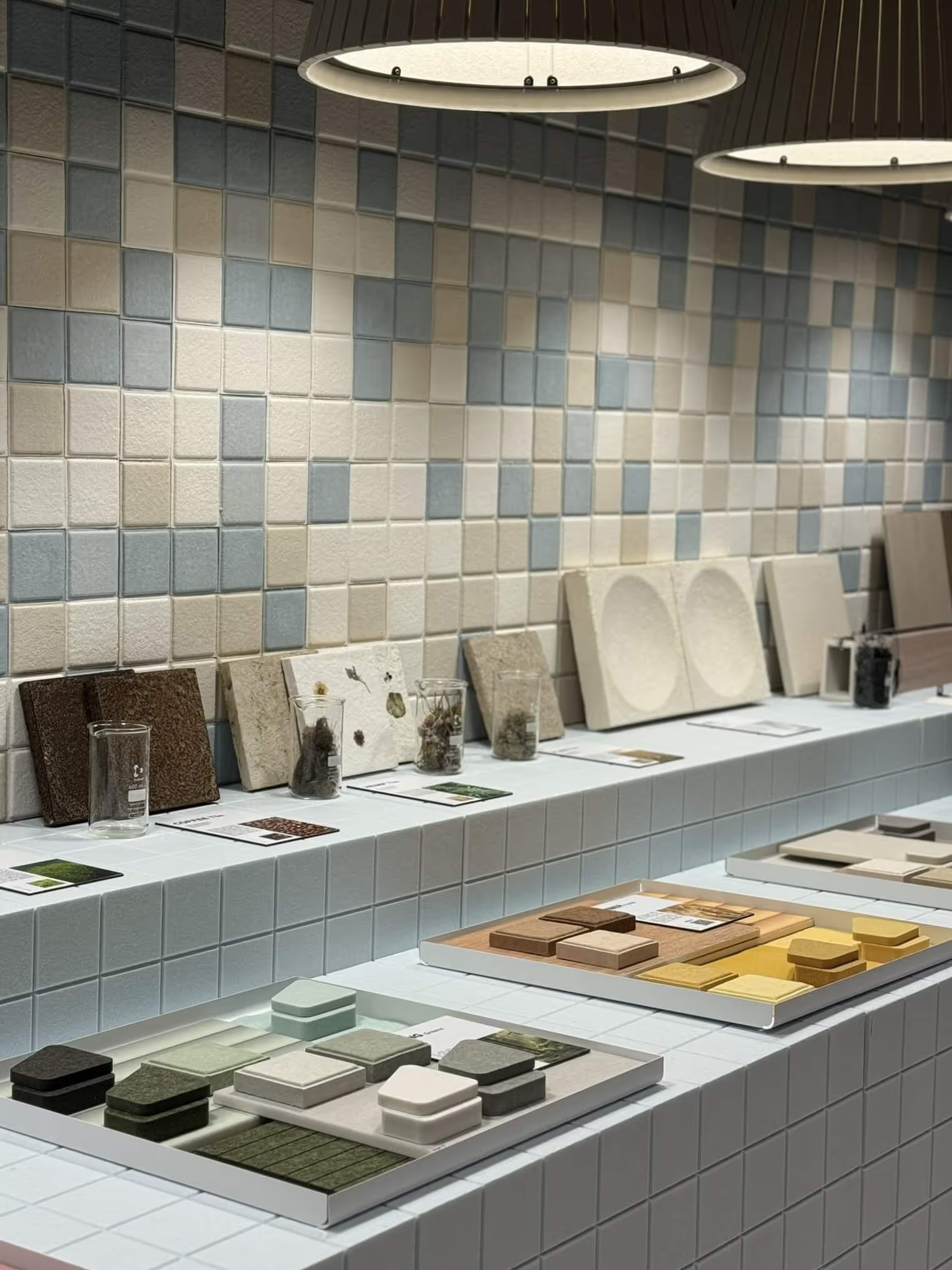
Mogu is a pioneer in mycelium technology with multiple collections of acoustic panels. It Mogu Foresta System combines geometric folds that create a fascinating play of light and shadow with an NRC of 0.53. Available in dimensions of 500 x 500 mm with a thickness of 35-75 mm, these panels have a nature-inspired texture, including reeds, leaves, needles and natural mycelium finishes.
Each panel has a fire class of B-s2-d0 and has low VOC emissions, making it safer than wood and many industrial materials. The modular design allows for endless creative compositions and proves that advanced sustainability can go hand in hand with architectural beauty.

2. Cotton acoustic panels: circular material design
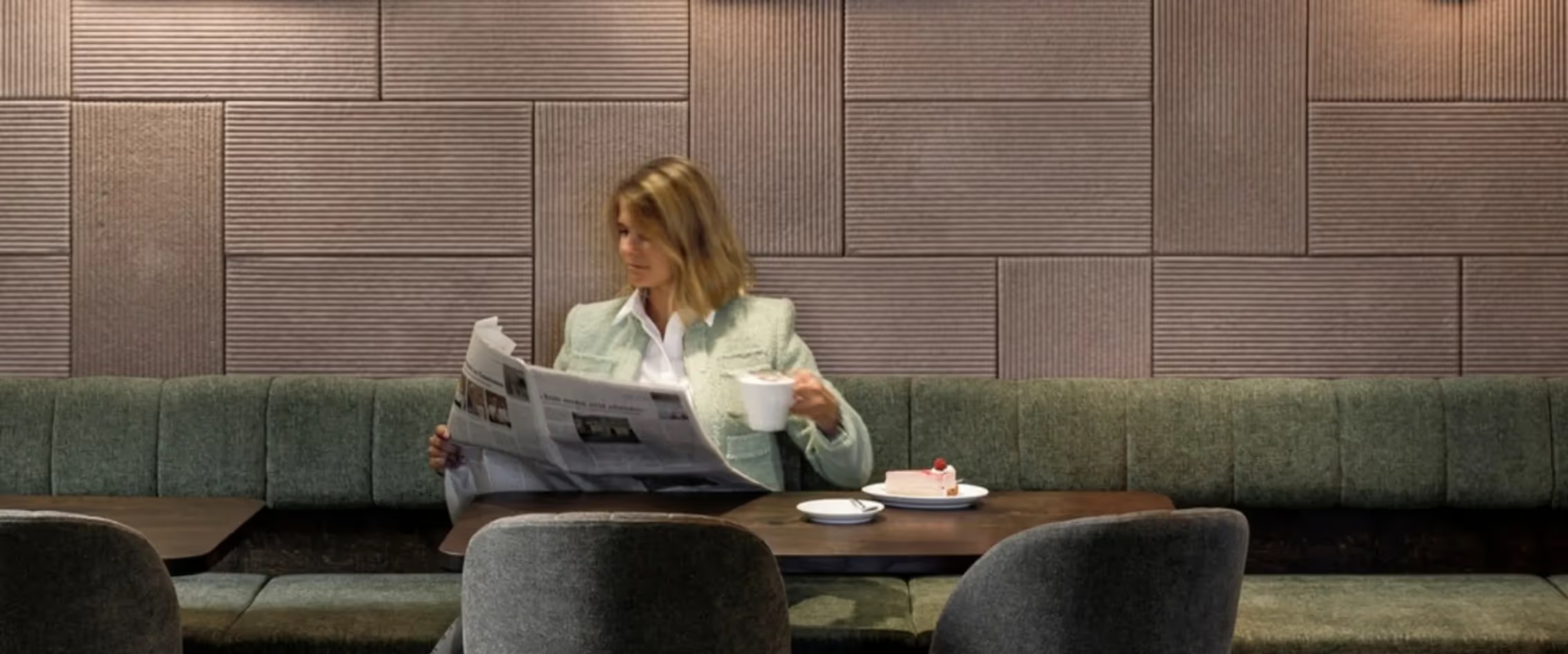
Cotton acoustic panels use natural cellulose fibres, including by-products from cotton processing.
Their fibrous structure absorbs sound and helps reduce reverberation. Selected products also offer compostable material compositions, making them relevant to projects with circular-design objectives.
What is cotton-based acoustic material?
Cotton-based acoustic material represents the pinnacle of circular design: fully compostable panels made by hand from natural materials. Unlike synthetic alternatives, these materials use cotton cellulose, a by-product of the cotton industry that would otherwise be discarded as waste.
What makes cotton acoustic material so special is that it provides excellent performance without harmful synthetic binders or chemicals. The material is carefully processed to create dimensionally stable panels that are suitable for commercial applications.
Acoustic properties
Cotton-based panels offer impressive sound absorption:
- Can absorb up to 60% of the noise.
- The open fiber structure captures sound waves effectively.
- Outstanding performance across all voice frequencies.
- Natural damping properties reduce reverberation.
The porous properties of cotton fibres create ideal conditions for the removal of sound energy through friction and heat conversion.
Featured product: ARCHISONIC Cotton
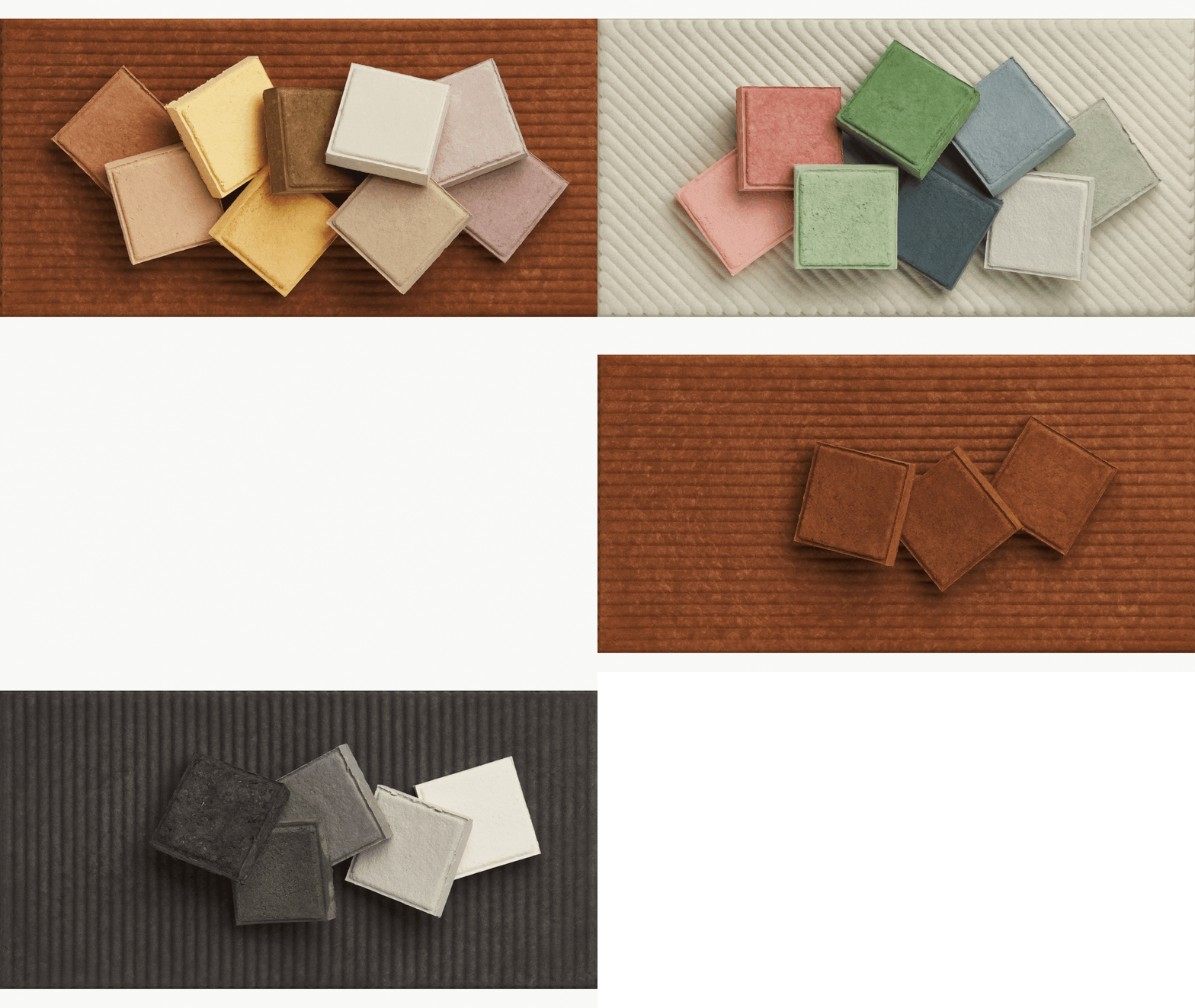
ARCHISONIC Cotton Tiles by Impact Acoustic use cotton cellulose by-products to create decorative acoustic surfaces.
The ARCHISONIC range includes cotton products designed for circularity, with published sound-absorption performance of up to 60% under specified conditions.
Sustainability references
Cotton acoustic materials are truly circular:
- Made from industrial cotton waste.
- Fully compostable at the end of life.
- No synthetic binders or harmful chemicals.
- Patent-pending production process.
- Supports take-back programs for circular reintegration.
Fire safety and health
Cotton acoustic materials meet commercial fire safety requirements:
- Meets commercial fire safety requirements: suitable for public and commercial installations.
- No synthetic binders: Eliminates toxic emissions associated with chemical adhesives when exposed to fire.
- Natural fibre composition: reduces smoke generation compared to synthetic alternatives.
- Free of harmful chemicals: patent-pending production process avoids flame retardant chemicals that can gas out.
- Healthier indoor climate: contributes to superior air quality without compromising safety standards.
Featured product: ARCHISONIC® Cotton Acoustic Tiles by Impact Acoustic
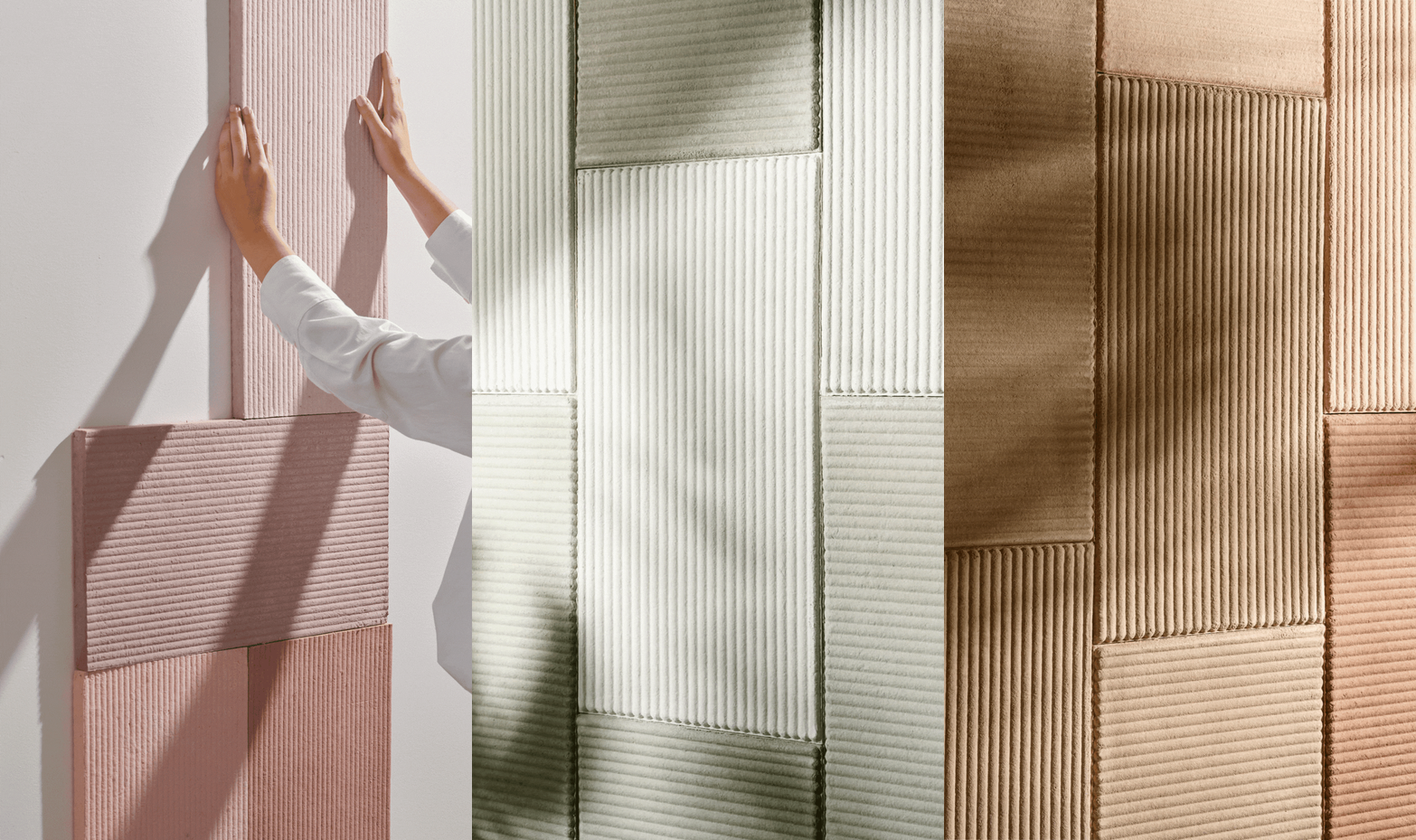
ARCHISONIC® Cotton stands out as the first and only fully circular acoustic material ever produced. Carefully crafted by hand from cotton cellulose by-products, these tiles have their properties without harmful synthetic binders, making them fully compostable.
Impact Acoustic's materials aim for circularity with their “Impact Loop Take Back Program,” where participants get a refund of up to 10% of the original purchase price for returned cotton panels. This innovative approach shows that high-quality acoustics and full environmental responsibility can go hand in hand.
3 - Wood wool: timeless material, modern performance
What is wood wool?
Wood wool combines two of the world's oldest building materials: wood and cement. The material is made from softwoods such as spruce, pine or spruce, which are shredded into thin strands and mixed with a cementitious binder. After compression and curing, a stiff, breathable material with a characteristic fibrous texture was created.
The density generally ranges between 350 and 500 kg/m³, with the panels having remarkable durability and natural thermal insulation properties, in addition to acoustic performance.
Acoustic properties
The open structure of wood wool makes it a proven high-quality sound absorber:
- Captures and distributes sound energy effectively.
- Highly effective at human voice frequencies (500-4000 Hz).
- NRC values ranging from 0.45 to 0.95 depending on configuration.
- Improved performance with background materials such as rock wool.
- No sound reflection from a fibrous surface.
Thicker panels generally offer better absorption, with strategic installation methods (air gaps, background materials) significantly improving acoustic performance.
Sustainability references
Wood wool offers attractive environmental benefits:
- Made from renewable, sustainably managed forest resources.
- Often from FSC® or PEFC™ -certified wood.
- Recyclable and biodegradable.
- Low VOC emissions.
- Eligible for LEED points.
- Simple production process with little waste.
Fire safety and health
Wood wool achieves superior fire resistance thanks to its unique cement-bonding system:
- Fire class A: the highest possible classification according to ASTM E84 standards.
- EN 13501-1 certified: complies with European fire safety requirements.
- Inherently fire resistant: the cementitious binder offers permanent fire protection.
- Mineralization process: during production, fire resistant properties are created at the material level, not by surface treatments.
- Approved as a protective coating: certified with class 1 coating for structural fire protection.
- Inorganic binder creates a fire resistant film that forms a protective barrier when exposed to fire.
- Critical composition ratio: designed with a wood wool to binder ratio of no less than 1:2 for optimal fire resistance.
- Low flammability index: prevents ignition and limits the spread of flame through both the material composition and the organic-mineral binder systems.
- Strict tests: evaluated according to ASTM E84 and EN 13501-1 for flammability, smoke generation and toxic emissions.
Featured product: BAUX Wood Wool Acoustic Panel
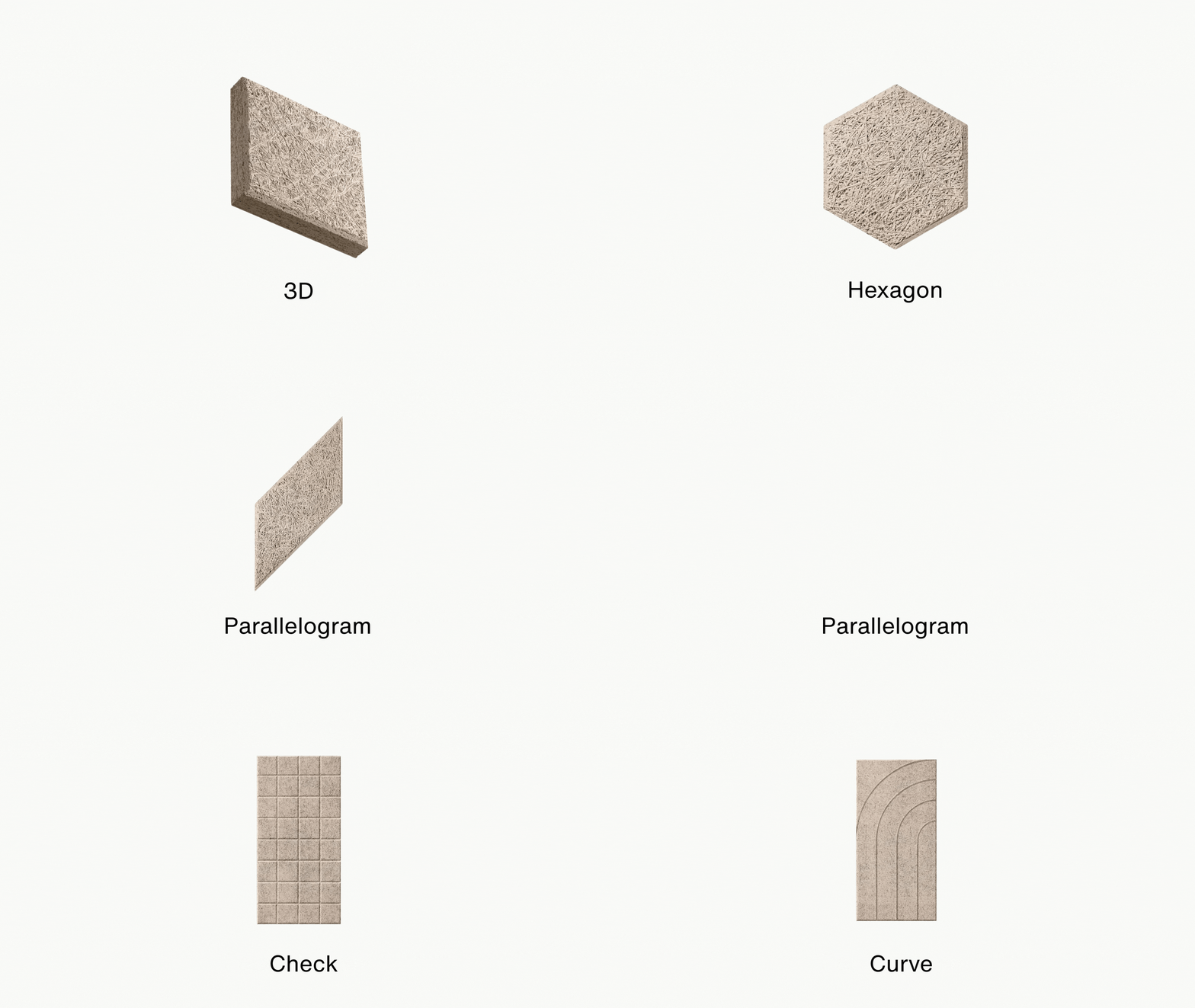
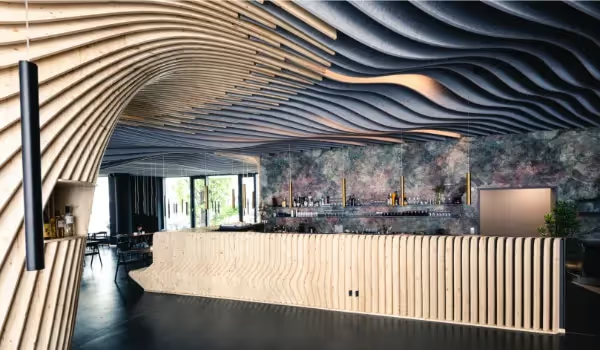
BAUX has taken wood wool to the next level with innovative acoustic panels. These panels combine traditional wood wool production with modern aesthetics and performance optimization.
Baux panels comply with fire class A and at the same time offer superior sound absorption. Available in a range of natural tones, strand sizes and customizable shapes, they offer creative options that range from modern minimalism to intricate artistic designs. The natural textures add warmth and elegance to any space while offering proven acoustic performance, supported by certifications such as the FSC and PEFC sustainable forestry standards.
.gif)
4 - PET felt: turning plastic bottles into performance
What is PET felt?
PET felt is one of the most successful examples of circular economy principles in acoustic design. This synthetic felt material is mainly made from recycled plastic bottles, usually consisting of 60% recycled and 40% new PET fibers.
The production process transforms discarded bottles into high-quality acoustic panels by means of precise temperature control, needle techniques and heat treatment. The result is a material that feels both strong and soft, lightweight yet resilient, with an open cell structure that is ideal for sound absorption.
Acoustic properties
PET felt excels at absorbing medium to high frequencies, exactly the range in which human speech and common office noise occur. The material works through multiple mechanisms:
- Viscous effects ensure that sound waves have to travel a difficult path.
- Friction between air and fibres, sound energy converts into heat.
- Cushioning properties absorb kinetic energy from sound pressure.
Performance statistics show effectiveness: a 12 mm panel achieves NRC values between 0.45 and 0.75, depending on the installation, with strategic air gaps significantly improving absorption capacity.
Sustainability references
The environmental benefits are compelling:
- Mostly made from recycled PET bottles.
- 100% recyclable at the end of life
- Lower energy production compared to new materials
- Eligible for LEED credits.
- Free of formaldehyde and harmful binders.
Fire safety and health
PET felt panels have exceptional safety qualities:
- Naturally fire resistant: the flame retardant properties are permanent and inherent to the fibres, so no additional chemical treatments are required.
- ASTM E84 Class A Certification: the highest classification for flame spread and smoke generation in building materials.
- EN 13501 Class B-s1, d0: complies with strict European fire safety standards (low smoke generation, no burning droplets).
- Free or formaldehyde binders: polyester fibres do not pollute the air and contribute to a cleaner indoor climate.
- Free from chemical irritants and fragrances: ensures healthier indoor air quality without toxic emissions when exposed to fire.
Featured product: ARCHISONIC® PET felt panel by Impact Acoustic
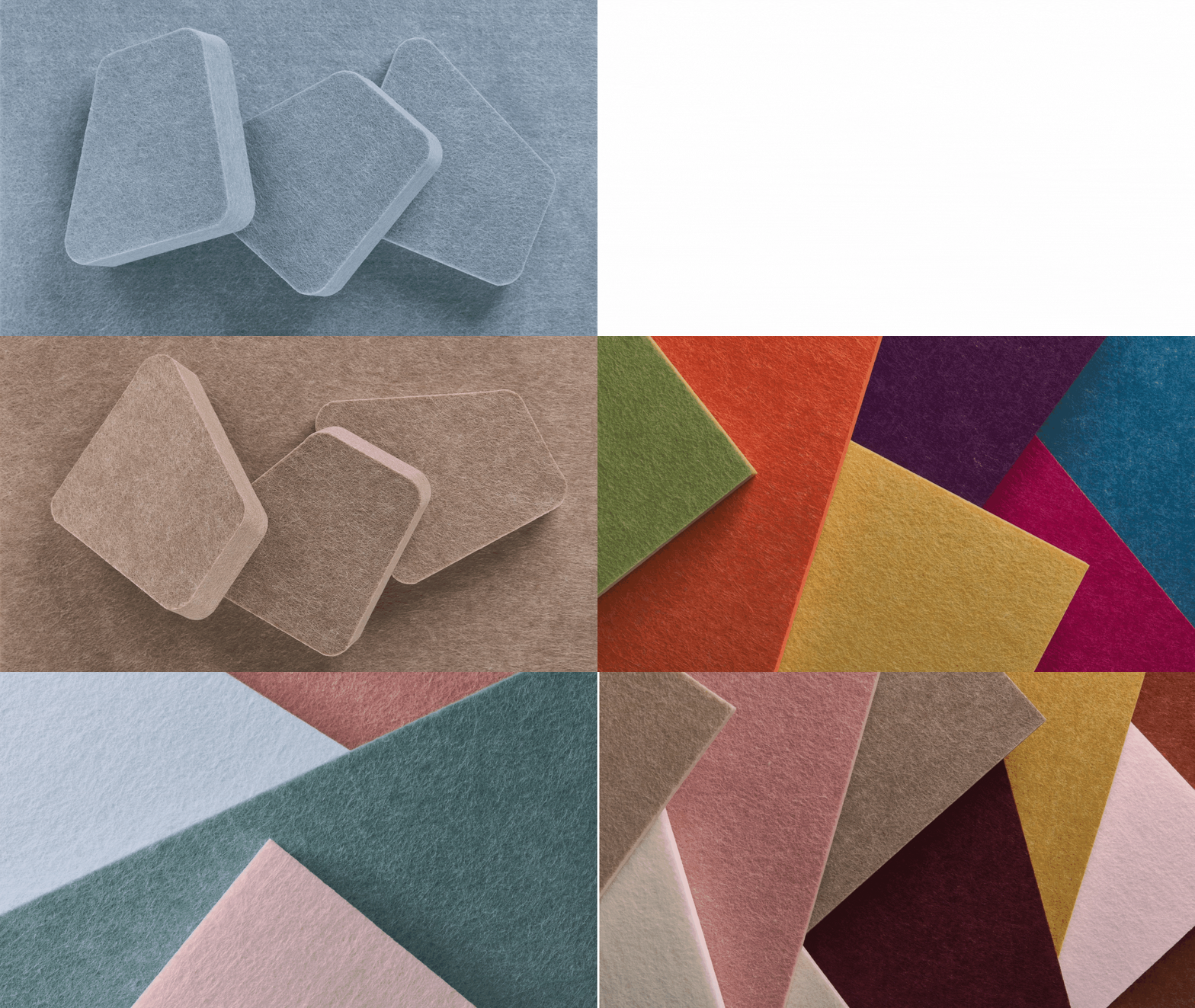
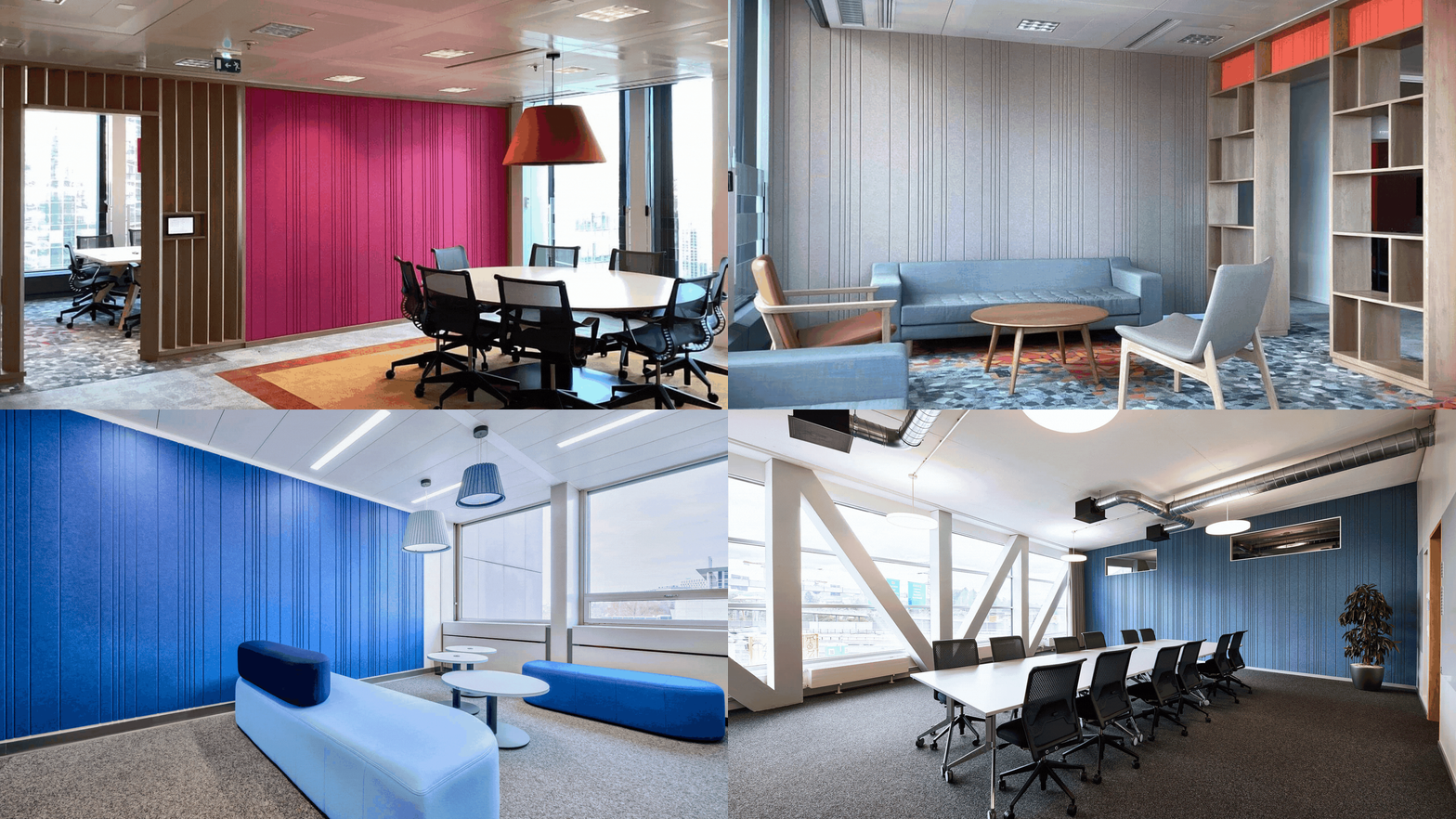
ARCHISONIC® Felt by Impact Acoustic illustrates the potential of PET felt. Each square meter of 24 mm thick material contains 88 recycled PET bottles and reaches an impressive αw of 0.90 when properly installed. Available in 36 carefully curated colors in eight different families, ARCHISONIC® Felt offers extensive design flexibility while maintaining Cradle to Cradle Certified® status.
Comparative analysis: choosing the right material
When choosing from these four sustainable acoustic materials, consider the following factors:
Acoustic performance
- Best for voice frequencies: wood, wool, cotton.
- Highest NRC values: PET felt (with air vents), wood wool (with back)
- Excellent at medium frequencies: mycelium.
- Versatile frequency response: PET felt.
Sustainability profile
- Most circular: cotton (fully compostable).
- Best waste treatment: PET felt (consumer waste recycling), mycelium (agricultural waste).
- Renewable raw material: wood, wool, cotton.
- Carbon storage: mycelium.
Fire resistance and safety
- Highest fire class: wood wool (class A - ASTM E84).
- Inherent fire resistance (no chemical treatments): PET felt, wood wool, mycelium.
- Certification for public areas: all four materials comply with the building regulations for commercial buildings.
- Low smoke development: PET felt (EN 13501 B-s1, d0 - minimal smoke generation), mycelium (classification s2), wood wool (class A).
- No toxic emissions: mycelium (no toxic resin), PET felt (no formaldehyde), cotton (no synthetic binders).
- Complies with European standards: PET felt (B-s1, d0), mycelium (B-s2-d0 with treatment), wood wool (EN 13501-1).
Design flexibility
- Color options: PET felt (over 36 colours).
- Texture variation: Mycelium (nature-inspired textures).
- Shape adjustment: Wood wool, PET felt.
- 3D surface options: Mycelium, Wood Wool.
Sustainability and maintenance
- Highest impact resistance: PET felt, wood wool.
- Moisture resistance: PET felt (based on plastic), wood wool (bonded with cement).
- Fire resistance: wood wool (class A), all materials with commercial standards.
- Minimal maintenance: PET felt, mycelium (antistatic).
Eligibility for application
- Busy areas: PET felt, wood wool.
- Humid environments: PET felt.
- Public areas where fire safety is required: wood wool.
- Biophilic design projects: mycelium, cotton.
- LEED/Sustainability Certification Projects: all four materials.
Installation and Deployment Considerations
Regardless of the material you choose, the right installation ensures optimal acoustic performance:
- Air gaps significantly improve absorption, especially with thinner panels.
- Coverage area should be calculated based on the volume of the room and the requirements for reverb.
- Strategic placement on parallel surfaces, flutter prevents echo.
- Background materials can broaden the frequency response.
- Professional acoustic advice ensures optimal results.
The future of sustainable acoustics
The landscape of acoustic materials continues to develop rapidly. Innovations in biobased materials, circular design principles and performance optimization offer more and more opportunities for architects and designers who strive for both environmental friendliness and acoustic perfection.
These four materials (mycelium, cotton, wood wool, and PET felt) show that sustainability and performance no compromises There are, but complementary objectives. As building regulations place increasing emphasis on environmental impact and residents demand a healthier indoor climate, these environmentally-friendly acoustic panels represent not only current best practices, but also the basis for future acoustic design.
Whether you're drawn to the proven PET felt recycling story, the innovative mycelium biotechnology, the full circularity of cotton, or the timeless sustainability of wood wool, each material offers a path to spaces that sound as good as they feel to people and the planet.
Ready to transform your space with sustainable acoustic solutions? Take contact meet Akoesta's acoustic advisors to find out which material best suits the unique requirements of your project. Our team provides comprehensive acoustic assessments, material advice, and installation support to ensure that your space meets both environmental goals and acoustic excellence.
FAQs
Q: Are sustainable acoustic materials as effective as traditional options?
Yes. Modern sustainable materials often match or exceed traditional foam-based acoustic materials. For example, PET felt achieves NRC values of 0.90-0.95 when properly installed, while mycelium panels perform comparable to conventional materials at frequencies above 3000 Hz.
Q: How do I choose between these four materials?
Consider your project's priorities: PET felt excels in durability and color options; mycelium offers a unique biophilic design; cotton offers complete circularity; wood wool provides a timeless aesthetic with superior fire resistance. Acoustic advisors can help you tailor the material properties to your specific requirements.
Q: Can these materials achieve the same fire safety classes as traditional options?
Yes, absolutely. Wood wool achieves fire class A, while PET felt has 72 fire test certifications. Mycelium panels reach the B-s2-d0 classification and cotton materials meet commercial fire safety standards. They are all suitable for public and commercial applications.
Q: What is the lifespan of these sustainable materials?
These materials are designed for long-term performance. PET felt does not deteriorate over time thanks to its plastic composition. Wood wool panels are extremely durable when properly installed. Mycelium products maintain their dimensional stability thanks to careful design. Cotton panels offer robust performance when properly maintained. All materials are designed to last the life of typical commercial installations.



Share this:

Related posts
Check out these articles...

Not every hybrid employee wants the same workplace

Good acoustics enhance focus and reduce stress

Sustainable office design for employee wellness
Transform your environment into the best version to work, learn or live in
Know what options are available for your situation in 30 minutes.