Acoustic spaces: benefits, properties and uses
Acoustic spaces are becoming increasingly important in a world where sound plays a major role in our daily lives. But what exactly are acoustic spaces? And why are they becoming an indispensable feature in modern spaces?

What are acoustic spaces?
Acoustic spaces are becoming increasingly important in a world where sound plays a major role in our daily lives. Whether it's creating a quiet workplace, supporting creative processes, or reducing noise in busy environments, these spaces are designed to improve how we experience sound. Acoustic solutions are crucial for both user comfort and productivity in various environments, such as offices, schools, hospitality and public spaces.
Acoustic spaces are purpose-built spaces designed to control noise through effective noise reduction and sound absorption. They create an optimal auditory environment by minimizing echoes, controlling sound reflection and isolating external noise.
These spaces are highly versatile and are used in business spaces, recording studios, healthcare institutions, educational environments and even sports halls. The goal? Balancing functionality and comfort so that sound works for users, not against them.
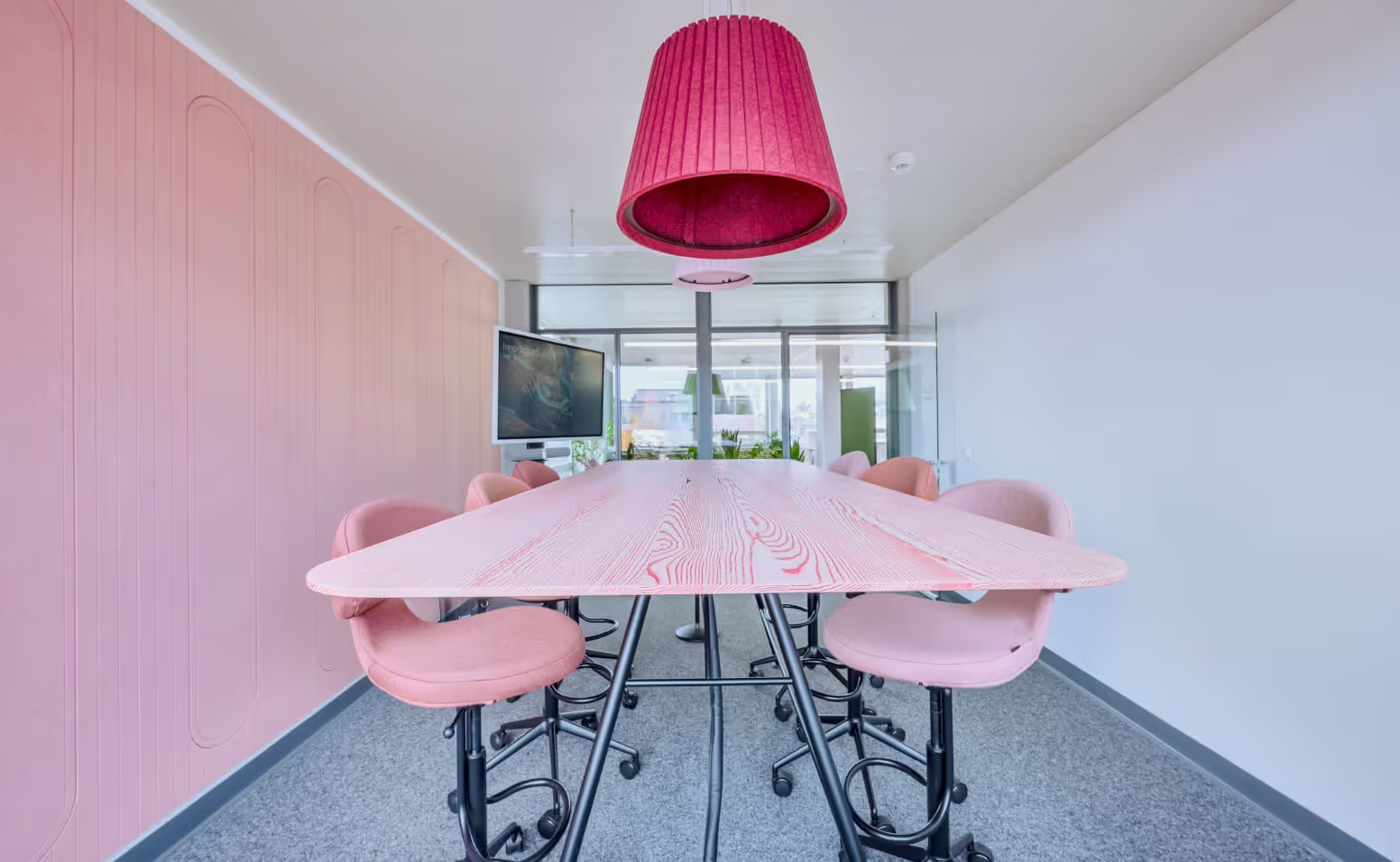
Why are acoustic spaces important in modern environments?
Not all acoustic spaces are the same. The best combine technical precision with elegant design. Important features include, especially in office environments, educational institutions and healthcare institutions:
- Increase focus and productivity: In offices, sound distractions can focus with up to 66% reduce. Acoustic spaces provide employees with a haven for deep work, free from disruptions.
Additional insights show that quiet workspaces significantly reduce the time to complete tasks, allowing employees to focus without the cognitive fatigue caused by constant interruptions. Acoustic spaces not only improve individual productivity, but also team collaboration by minimizing overlapping conversations and sound leakage.
- Mental health support: Excessive noise contributes to stress and fatigue. A well-designed acoustic space promotes rest, reducing stress levels in demanding environments.
In addition to stress reduction, these spaces create an environment that is conducive to mental clarity, improving decision-making and emotional well-being. Research shows shows that exposure to reduced noise levels over a longer period of time can also improve sleep quality, leading to a healthier, more balanced life.
Whether it's about improving collaboration or simply providing quiet relaxation, acoustic spaces provide tangible benefits.
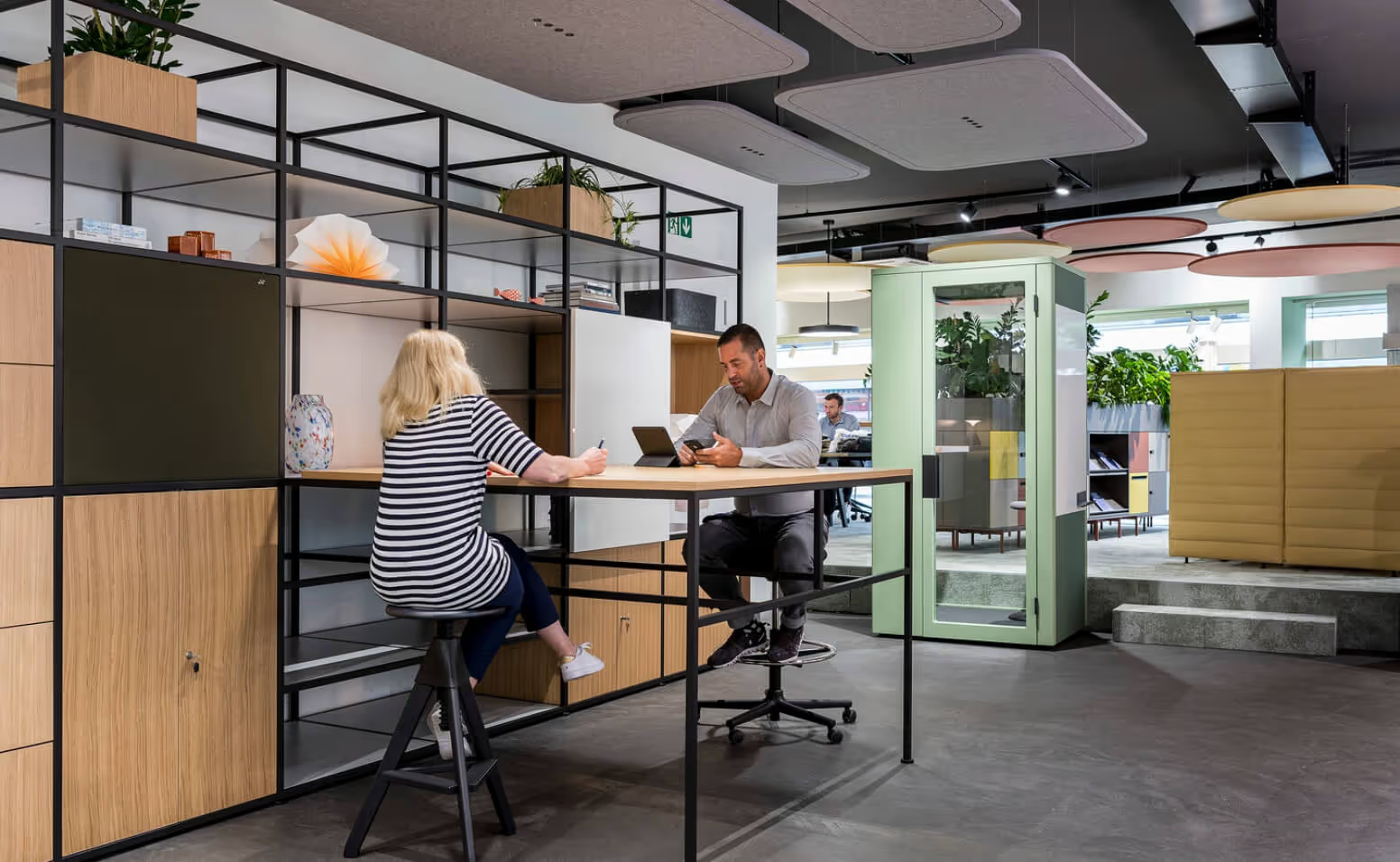
Key features of an ideal acoustic space:
Not all acoustic spaces are the same. The best combine technical precision with elegant design. Key features include:
- Advanced Sound Absorption Technology: Materials such as perforated panels, with fabric coated surfaces and acoustic foams absorb noise effectively.
- Aesthetic integration: Acoustic spaces can blend seamlessly into any environment with customizable designs, finishes and colors.
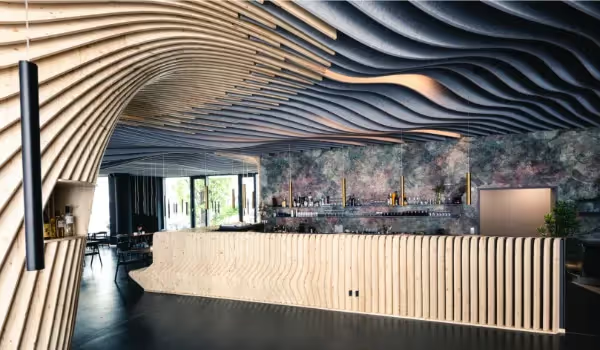
Modern acoustic solutions give equal priority to style as performance. Options include printed acoustic panels that can also serve as works of art, floating ceiling panels for a futuristic look and transparent acoustic partitions for spaces that require both noise control and visual openness.
- Sustainable materials: Many modern solutions use environmentally friendly materials, such as recycled PET panels, in line with sustainability goals.
Using low-carbon, recyclable or biodegradable acoustic materials reduces the environmental impact of your project. Some acoustic products also contribute to green building certifications such as LEED, which increases both sustainability and property value.
These features make acoustic spaces versatile enough to enhance both functionality and design.
Customisable solutions for different needs:
Acoustic spaces are far from a one-size-fits-all. They are highly adaptable to meet a wide range of requirements:
- Modular and reconfigurable options: Modular designs allow acoustic spaces to evolve with your needs, whether you're expanding an office or repurposing a space. This flexibility ensures that the acoustic environment can be adapted to changing requirements without significant structural changes. For example, panels can be added or removed to adjust the room's acoustics as needed.
- Tailored for small and large spaces: Van compact soundproof pods to full conference rooms, acoustic solutions can be adjusted to any size. In smaller spaces, solutions such as wall-mounted panels whether ceiling panels effectively control sound without taking up valuable floor space. Larger areas can benefit from partitioning with acoustic partitions to create multiple zones within one space. Check out the EY case study.
Adaptation ensures that each acoustic room delivers exactly what is needed, where it is needed.
Acoustic spaces for specific applications:
Acoustic spaces are versatile and support a range of industries and environments. Here are just a few examples:
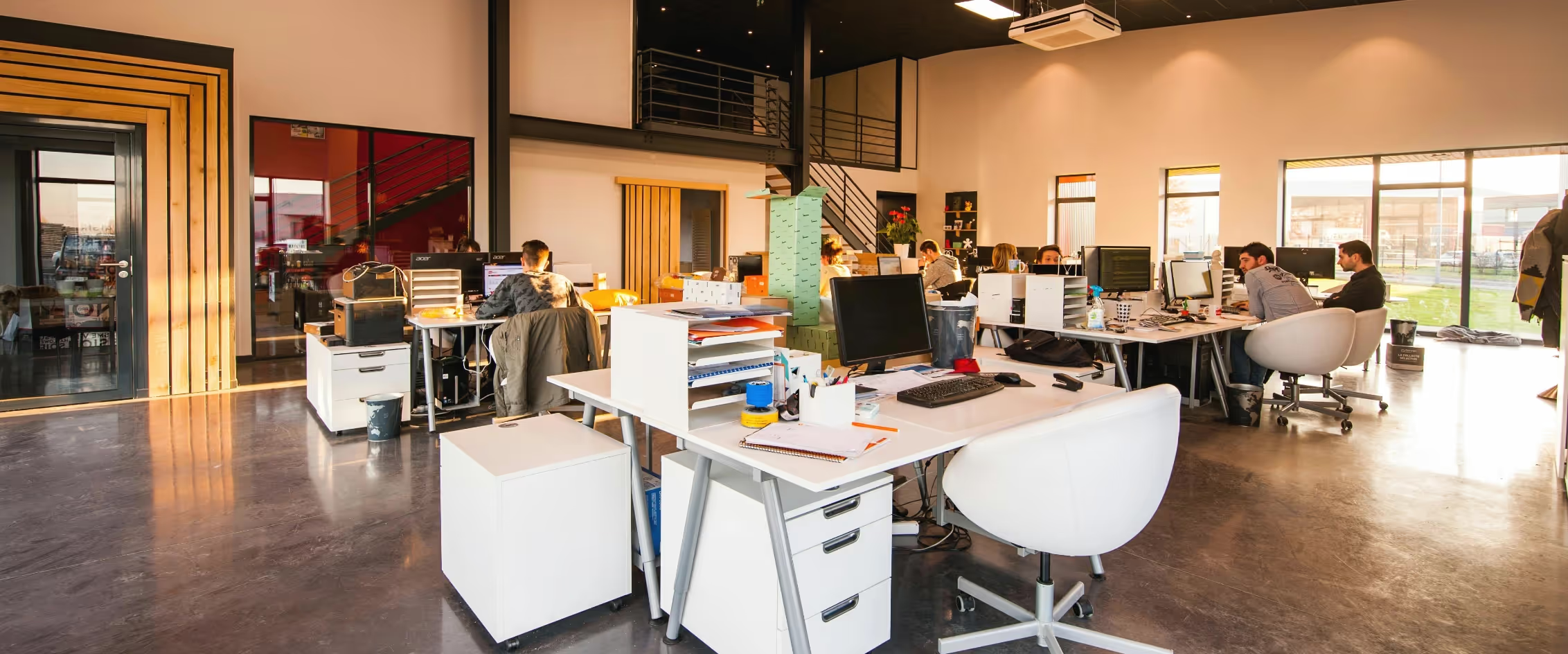
- Business environments: Create quiet zones for focused work or optimize meeting room acoustics for productive collaboration.
By using acoustic spaces in the workplace, companies report reduced staff turnover and higher job satisfaction. Quiet spaces allow teams to brainstorm effectively without distractions, boosting creativity and innovation.
.avif)
- Creative spaces: Support musicians, podcasters and other creators with sound-optimized environments for high-quality output.
In addition to music and audio production, creative acoustic spaces serve videographers and content creators by preventing unwanted sound interference. This results in cleaner audio tracks and more professional results for projects such as ads, movies, or training videos.
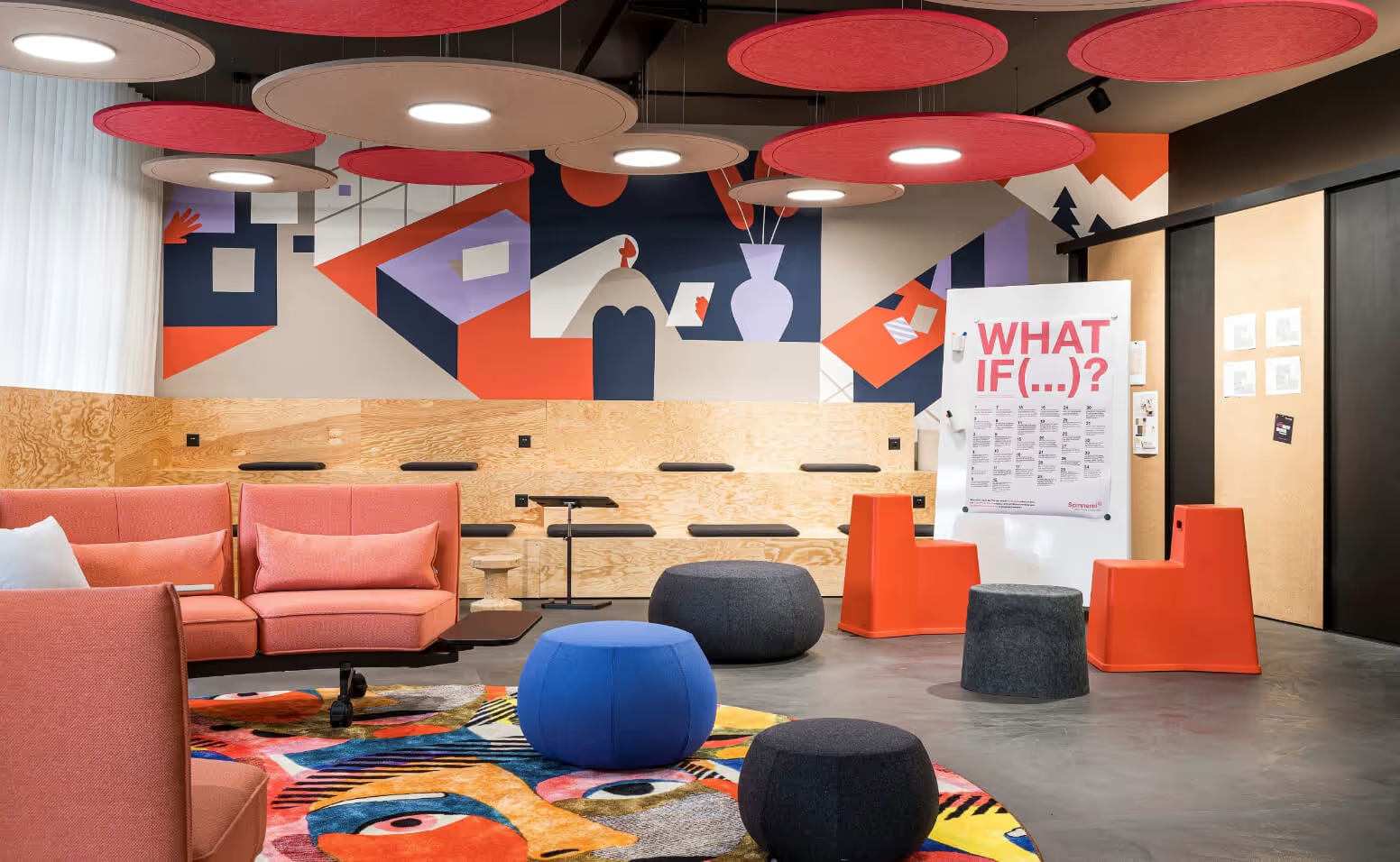
- Health care and welfare: From hospital relaxation areas to yoga studios, acoustic solutions increase comfort and peace.
Patients in healthcare environments experience faster recovery rates in quieter environments, as noise reduction lowers blood pressure and anxiety. Likewise, wellness facilities that prioritize acoustics provide a more immersive experience for activities such as meditation or therapy.

- Learning environments: Noise reduction helps students focus in classrooms, libraries, and study areas.
Research shows indicates that reducing ambient noise in classrooms improves students' comprehension and memory retention. Acoustic solutions also make it easier for teachers to communicate effectively without straining their voice.
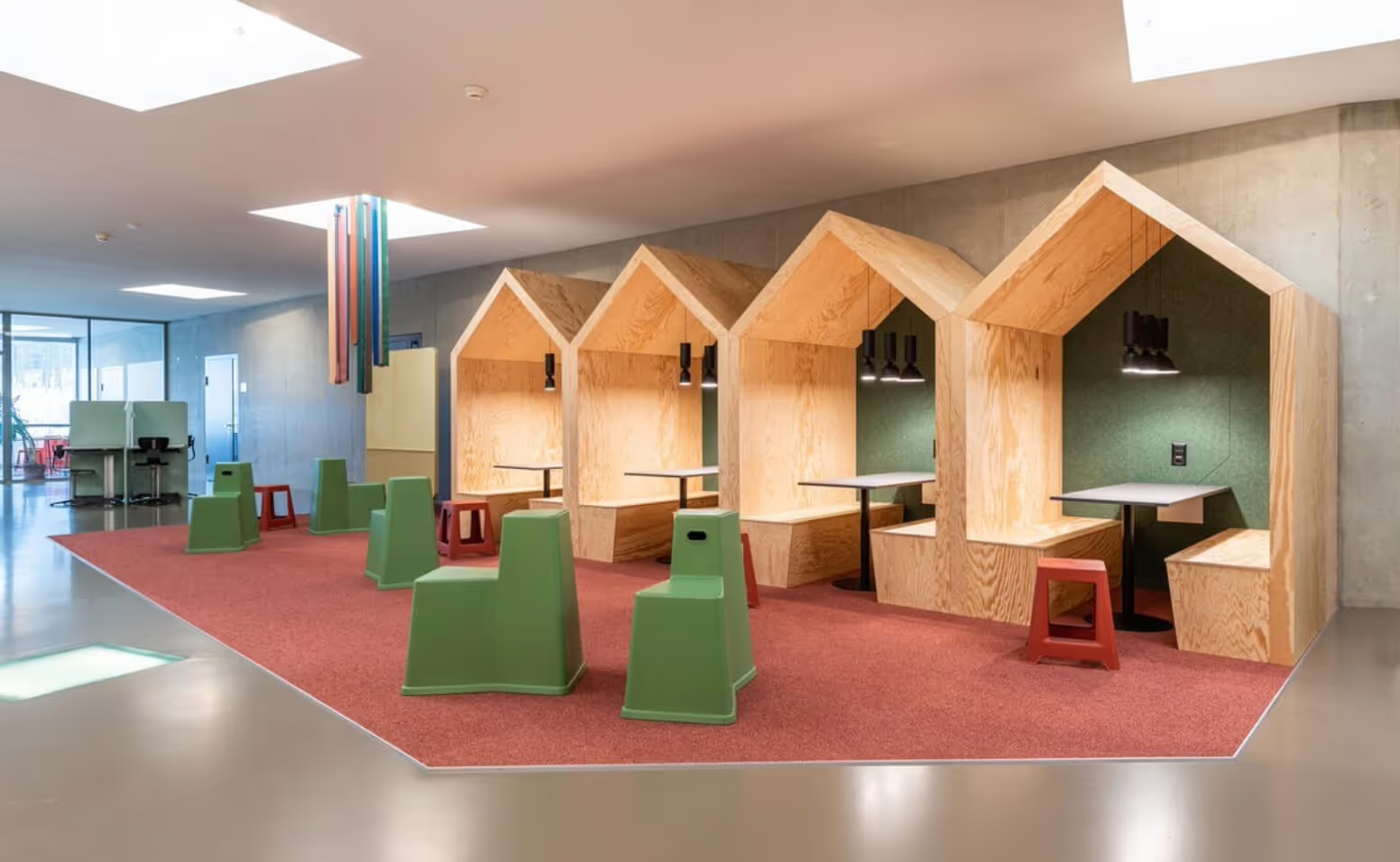
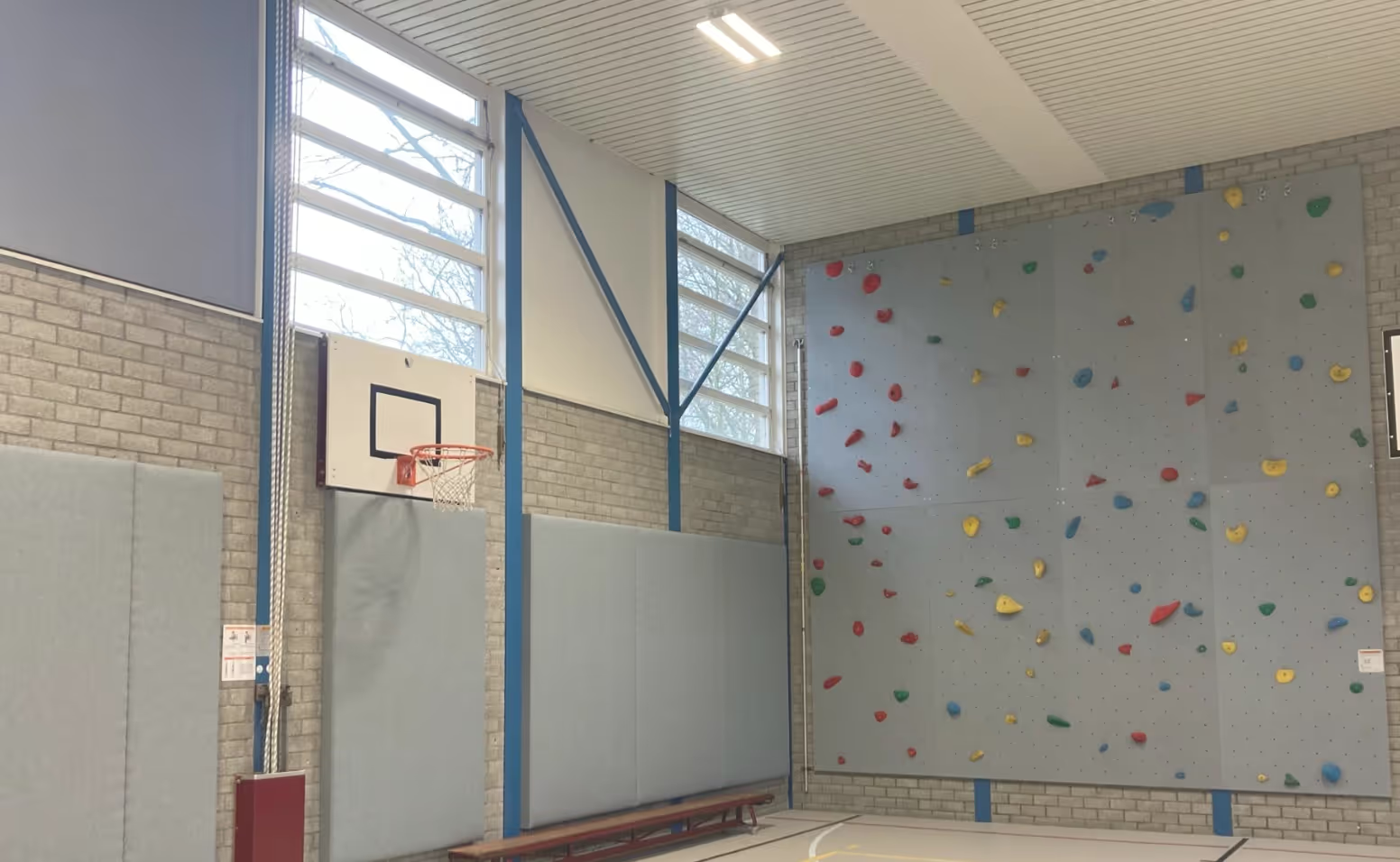
- Sports halls: Minimize echoes and control noise during sporting events or meetings, providing a better auditory experience for players and spectators alike.
High-quality acoustics in sports halls not only improves the spectator experience but also improves communication between players and referees, leading to better performance and clearer instructions during matches.
.avif)
Regardless of the setting, acoustic spaces can be adapted to meet the requirements of each unique environment.
How to choose the right acoustic room solution:
When considering an acoustic space, several factors should guide your decision:
- Goal: Clearly define the primary function of the space. Is it for focused work, creative use or relaxation? Understanding the intended use will influence design choices, material selection, and acoustic treatment strategies.
- Space Requirements: Assess the size and layout of the area. Consider ceiling height, existing structures, and potential obstacles. This evaluation helps to select appropriate acoustic treatments and ensures optimal sound management.
- Budget: Determine your financial parameters. Acoustic spaces can range from simple solutions to fully customized installations. Pre-allocating a realistic budget enables effective planning and helps prioritize functions that offer the most significant benefits.
Pro tip: Work with acoustics experts to assess your needs and prevent costly mistakes. They ensure that your solution is both effective and complies with noise regulations.
The future of acoustic spaces:
The acoustic industry is evolving, with innovations that shape the future:
- Sustainable progress: New environmentally friendly materials are emerging to reduce environmental impacts. For example acoustic panels made from 100% PET bottles (60% certified post-consumer content).
- Dynamic designs: Flexible solutions that respond to hybrid workplaces and multi-functional spaces.
Staying ahead with these trends ensures that your space remains both modern and functional.
.avif)
Why work with experts for acoustic solutions?
Designing an effective acoustic space requires expertise. Without professional guidance, it's easy to overlook essential factors, such as sound absorption coefficients, material compatibility, or regulatory standards.
Akoesta offers customized solutions that prioritize both form and function, and ensures that your acoustic space delivers exceptional results. Watch our approach.
How Akoesta can help:
At Akoesta, we specialize in creating custom acoustic spaces designed to meet your needs. From sleek business solutions to functional educational spaces, our team will make sure your space not only looks great but sounds perfect.
Take the next step today. Let Akoesta help you care for your environment to transform into a space of sound harmony.



Share this:

Related posts
Check out these articles...

Good acoustics without renovation — simple solutions for better sound quality

Identifying Noise Sources for Better Acoustics

Acoustics at online meetings: “Do you u hear me?”
Transform your environment into the best version to work, learn or live in
Know what options are available for your situation in 30 minutes.